Free Trademark Search vs Professional Trademark Search in India
April 11, 2026
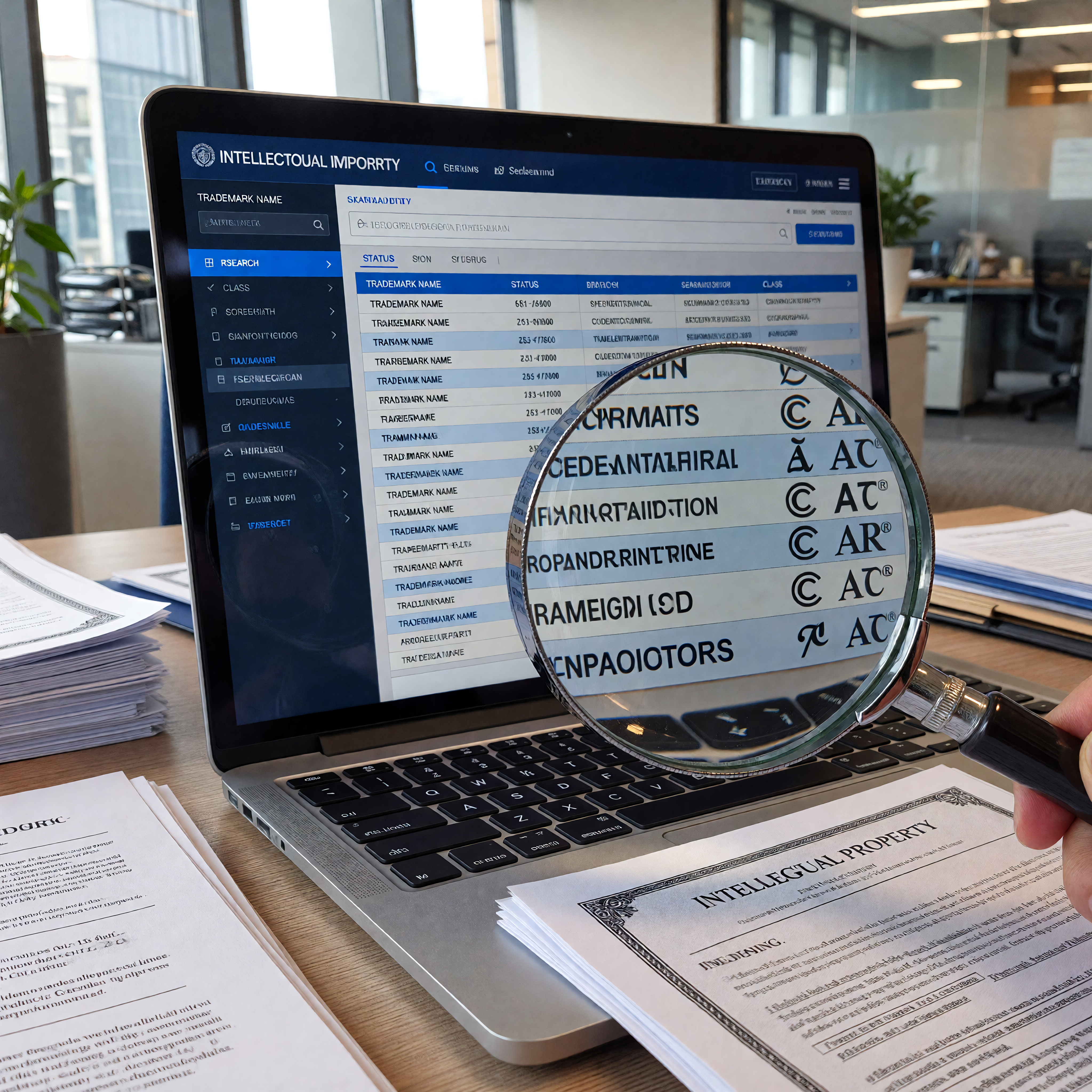
Free Trademark Search vs Professional Trademark Search in India
When launching a new brand or business, one of the most important steps is ensuring that your brand name is legally available. This process begins with conducting a trademark search.
In India, many entrepreneurs start with a free trademark search on the government portal. While this basic search can provide some information, it often fails to detect many types of trademark conflicts that could lead to objections later.
Professional trademark consultants and law firms usually rely on advanced trademark search tools and research methods to identify potential conflicts before filing a trademark application. Platforms such as TrademarkSearchPro help professionals perform detailed similarity searches quickly and accurately.
What is a Free Trademark Search?
A free trademark search refers to checking the trademark database available on the official Indian Trademark Registry website. This portal allows users to search existing trademarks to see whether a similar mark has already been registered or applied for.
The system provides options such as wordmark search, phonetic search, and Vienna code search for logos. Entrepreneurs often use this database to check whether their proposed brand name already exists in the trademark registry.
For example, if you plan to register the brand “URBAN BITES”, you can search the database to check if similar trademarks already exist. However, the government database is mainly designed for reference purposes and may not always detect deeper similarity conflicts.
What is a Professional Trademark Search?
A professional trademark search is a comprehensive analysis of trademark databases conducted by experts or specialized trademark search software. These searches are designed to detect similarities that manual searches may miss.
Professional searches usually include exact match searches, phonetic similarity analysis, spelling variations, conceptual similarity checks, and logo similarity detection. Many trademark professionals use tools like advanced trademark search platforms to analyze large trademark databases quickly.
Such tools help detect possible trademark conflicts before filing the application, which significantly improves the chances of approval.
Limitations of Free Trademark Search
Although the government trademark search portal is useful for initial checks, it has several limitations that make it less reliable for professional trademark clearance searches.
One major limitation is the inability to detect phonetic similarities effectively. For example, searching for “FRESHBITE” may not display results like “FRESH BYTE” or “FRESHBYT”, even though these marks may still cause trademark objections.
Another challenge is that the database contains millions of trademark records. Manually reviewing these records can be time-consuming and confusing, especially for entrepreneurs who are unfamiliar with trademark classifications and statuses.
Advantages of Professional Trademark Search
Professional trademark search methods provide deeper insights into potential trademark conflicts. These searches use advanced algorithms to identify spelling similarity, phonetic similarity, and conceptual similarity between trademarks.
Automated search tools can analyze thousands of trademark records within seconds. This significantly reduces the time required for trademark research and improves accuracy.
In addition, professional tools often generate detailed trademark search reports that consultants can share with their clients. These reports help businesses understand the risks associated with a particular trademark.
Importance of Trademark Similarity Analysis
Trademark examiners evaluate new trademark applications based on the likelihood of confusion with existing trademarks. If a proposed mark is too similar to an existing mark, the examiner may raise an objection.
Similarities may arise due to pronunciation, spelling, visual appearance, or overall commercial impression. Conducting a comprehensive trademark similarity analysis helps identify such conflicts before filing.
Businesses often refer to compliance resources on websites such as Meerad or Corporate Legal Guru to understand trademark laws and brand protection strategies.
Who Should Use Professional Trademark Search?
Professional trademark searches are beneficial for several types of users including entrepreneurs, trademark consultants, and intellectual property law firms.
Startups launching new brands need to ensure their brand names are unique and legally available. Conducting professional trademark research reduces the chances of objections and legal disputes.
Trademark consultants who handle multiple client applications often rely on specialized search platforms to improve efficiency. Businesses that require trademark filing assistance frequently consult platforms such as Registration Expert.
Manual Search vs Software-Based Trademark Search
Manual trademark searches require significant time and effort because users must analyze each record individually. This approach may work for small searches but becomes impractical for large trademark research projects.
Software-based trademark search platforms automate many of these tasks and provide advanced filtering, similarity detection, and automated reporting features.
As a result, many intellectual property professionals now prefer using specialized trademark search platforms rather than relying solely on manual searches.
Best Practices for Trademark Search
To improve the chances of successful trademark registration, businesses should follow several best practices when conducting trademark searches.
First, always choose a unique brand name that is distinctive and not descriptive of the product or service. Distinctive trademarks have higher chances of approval.
Second, conduct a comprehensive search that includes exact matches, phonetic similarities, and logo similarities. This helps identify potential conflicts early.
Finally, consider using professional trademark search tools to perform detailed analysis before filing your application.
Conclusion
A trademark search is an essential step before filing a trademark application in India. While free trademark search portals provide a useful starting point, they often lack the advanced capabilities required for comprehensive trademark research.
Professional trademark searches provide deeper analysis and help identify potential conflicts that manual searches may miss. Businesses, trademark consultants, and law firms increasingly rely on advanced trademark search platforms to improve research accuracy.
If you regularly perform trademark searches or manage multiple trademark applications, using a professional platform like TrademarkSearchPro can significantly improve your workflow.
You can explore the powerful tools available on the TrademarkSearchPro features page and see how automated trademark search technology can simplify your trademark research process.
Start using TrademarkSearchPro today to perform faster, smarter, and more accurate trademark searches for your business or clients.
.jpeg)
.png)


