How to Avoid Trademark Objections in India – Complete Guide for Businesses
April 11, 2026
How to Avoid Trademark Objections in India – Complete Guide for Businesses
Registering a trademark in India is one of the most important steps a business can take to protect its brand identity. A registered trademark provides exclusive rights over a brand name, logo, slogan, or symbol and prevents others from using similar marks that may cause confusion among consumers. However, many trademark applications in India face objections during the examination stage due to various legal and procedural reasons.
Trademark objections are issued by the Indian Trademark Registry when an examiner finds issues with the application. These objections may arise due to similarity with existing trademarks, lack of distinctiveness, descriptive terms, or incorrect classification. For businesses, receiving an objection can delay the registration process and may even lead to rejection if not handled properly.
Fortunately, most trademark objections can be avoided with proper preparation and research before filing the application. Conducting a comprehensive trademark search, choosing a distinctive brand name, and using reliable trademark search tools can significantly reduce the chances of objections. Platforms like Trademark Search Pro provide advanced search capabilities that help identify similar trademarks before filing an application.
Understanding Trademark Objections in India
A trademark objection is raised by the trademark examiner during the examination stage of the trademark application process. After an application is filed, the Trademark Registry reviews it to ensure that it complies with the provisions of the Trade Marks Act, 1999. If the examiner identifies any legal issues, an examination report is issued containing objections that the applicant must respond to.
The applicant usually receives the examination report within a few months of filing the trademark application. Once the objection is issued, the applicant must file a reply within the prescribed time limit. Failure to respond may result in abandonment of the application.
Understanding the reasons behind trademark objections is the first step toward avoiding them. Businesses that conduct thorough trademark searches and carefully prepare their applications are far less likely to face objections.
Common Reasons for Trademark Objections
One of the most common reasons for trademark objections is similarity with an existing registered or pending trademark. The Trademark Registry aims to prevent confusion among consumers, so any mark that resembles an existing trademark may face objections under Section 11 of the Trade Marks Act.
Another common reason is lack of distinctiveness. Generic or descriptive words that directly describe the product or service are often considered weak trademarks. For example, a company selling bottled water may face objection if it tries to register a mark like “PURE WATER.”
Incorrect classification of goods or services can also lead to objections. Trademark applications must be filed under the correct class according to the Nice Classification system. Filing under the wrong class may result in examination issues.
Applications containing misleading terms, geographical names, or prohibited words may also face objections. Therefore, careful evaluation of the proposed trademark is essential before filing.
Importance of Trademark Search Before Filing
A trademark search is one of the most effective ways to reduce the risk of objections. It helps identify existing trademarks that may conflict with the proposed mark. By conducting a search before filing the application, businesses can modify their brand name if potential conflicts are detected.
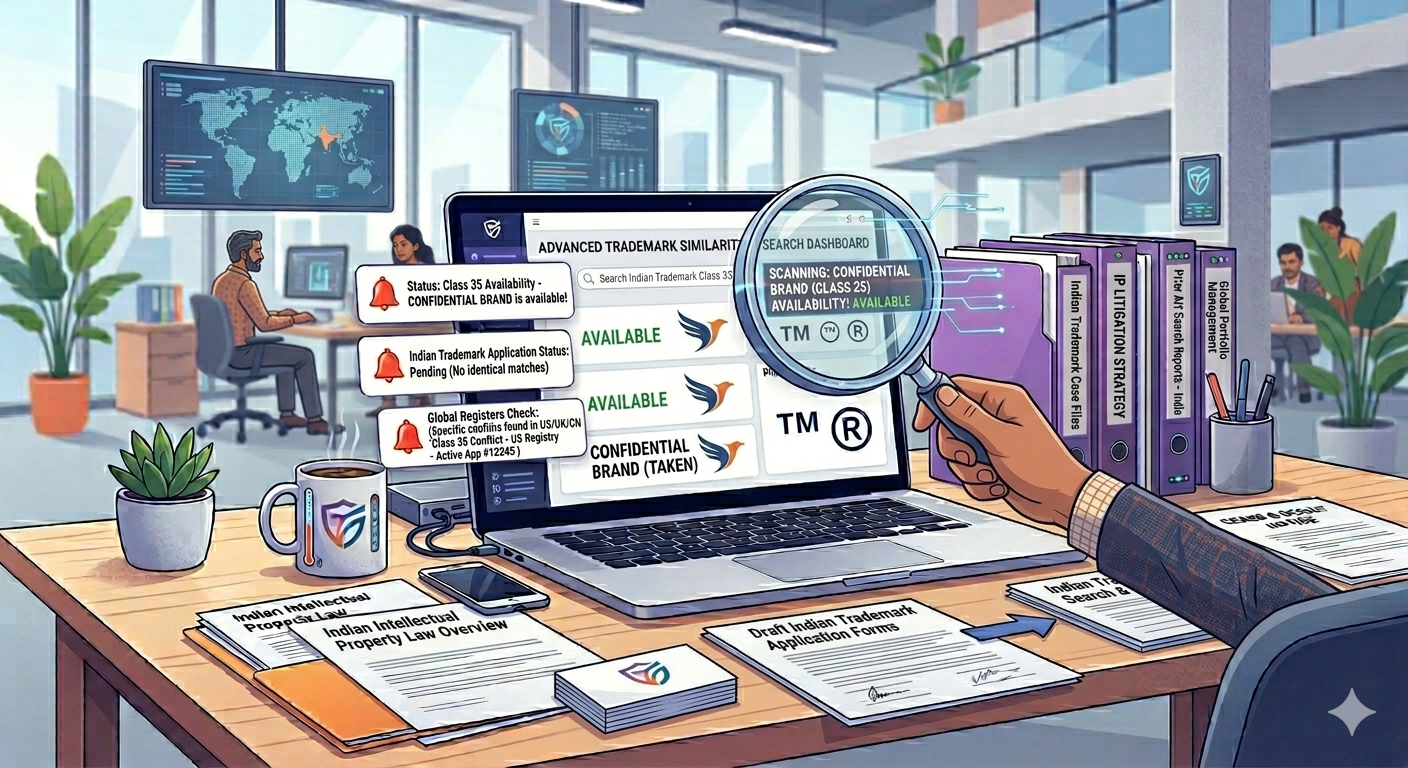
The official trademark database in India contains millions of records, making manual searches difficult and time-consuming. This is where specialized software tools become extremely valuable. Advanced platforms like TrademarkSearchPro provide powerful search algorithms that analyze phonetic similarities, spelling variations, and visual similarities among trademarks.
Using automated search tools allows businesses, trademark attorneys, and consultants to conduct thorough clearance searches within seconds, significantly reducing the risk of filing conflicting trademarks.
Choosing a Strong and Distinctive Trademark
The strength of a trademark largely determines its chances of approval. Strong trademarks are unique, distinctive, and not directly related to the product or service they represent. For example, invented words or arbitrary names often make strong trademarks.
Businesses should avoid using generic terms, descriptive phrases, or common industry words. Instead, they should create unique brand names that stand out in the marketplace.
Distinctive trademarks are easier to register and provide stronger legal protection against infringement. They also help businesses build a recognizable brand identity over time.
Selecting the Correct Trademark Class
Trademark applications must be filed under the correct class of goods or services. The Nice Classification system divides trademarks into 45 classes, with classes 1–34 covering goods and classes 35–45 covering services.
Choosing the wrong class may lead to objections or may leave the trademark unprotected in relevant industries. Therefore, applicants should carefully analyze their business activities before selecting the appropriate class.
Professional consultants and legal experts often help businesses determine the correct trademark classes for their products or services. Platforms like Corporate Legal Guru also provide guidance on trademark registration and compliance in India.
Preparing a Strong Trademark Application
A well-prepared trademark application reduces the chances of objections and delays. Applicants should ensure that all details in the application are accurate and complete. This includes the correct spelling of the trademark, proper classification, clear description of goods or services, and accurate applicant details.
If the trademark includes a logo, the image should be clear and properly formatted. Poor-quality images or incomplete documents may lead to procedural issues during examination.
Consulting professionals or using reliable trademark software can significantly improve the accuracy and quality of trademark applications.
Responding to Trademark Objections
Even with careful preparation, some applications may still receive objections. In such cases, applicants must submit a detailed reply addressing the examiner’s concerns. The response should include legal arguments, evidence of distinctiveness, and supporting documents where necessary.
A strong reply can often overcome objections and allow the trademark to proceed to the next stage of the registration process. Therefore, it is important to respond promptly and professionally to examination reports.
Role of Technology in Modern Trademark Search
With the rapid growth of trademark filings in India, technology has become essential for efficient trademark searches. Artificial intelligence and advanced search algorithms now allow users to identify similar trademarks with remarkable accuracy.
Modern trademark search platforms provide features such as phonetic matching, fuzzy search, logo similarity analysis, and automated risk scoring. These tools help businesses evaluate the likelihood of objections before filing a trademark application.
Advanced search solutions like TrademarkSearchPro Features are designed specifically for trademark professionals and businesses that need reliable and fast trademark search capabilities.
Conclusion
Trademark objections can significantly delay the registration process and create uncertainty for businesses seeking brand protection. However, most objections can be avoided with proper preparation, thorough trademark searches, and careful selection of distinctive brand names.
By leveraging advanced trademark search technology, businesses can identify potential conflicts before filing their applications and minimize the risk of objections. Reliable tools help analyze trademark databases quickly and accurately, allowing applicants to make informed decisions.
If you want to avoid trademark objections and conduct professional trademark searches in India, consider using TrademarkSearchPro. Our powerful trademark search platform helps businesses, trademark attorneys, and consultants perform comprehensive clearance searches within seconds.
Explore the advanced capabilities of our platform and start protecting your brand with confidence by visiting TrademarkSearchPro Features. A reliable trademark search today can save your business from costly legal issues tomorrow.
.jpeg)
.png)


