Trademark Similarity Search in India – How to Find Conflicting Trademarks
April 11, 2026
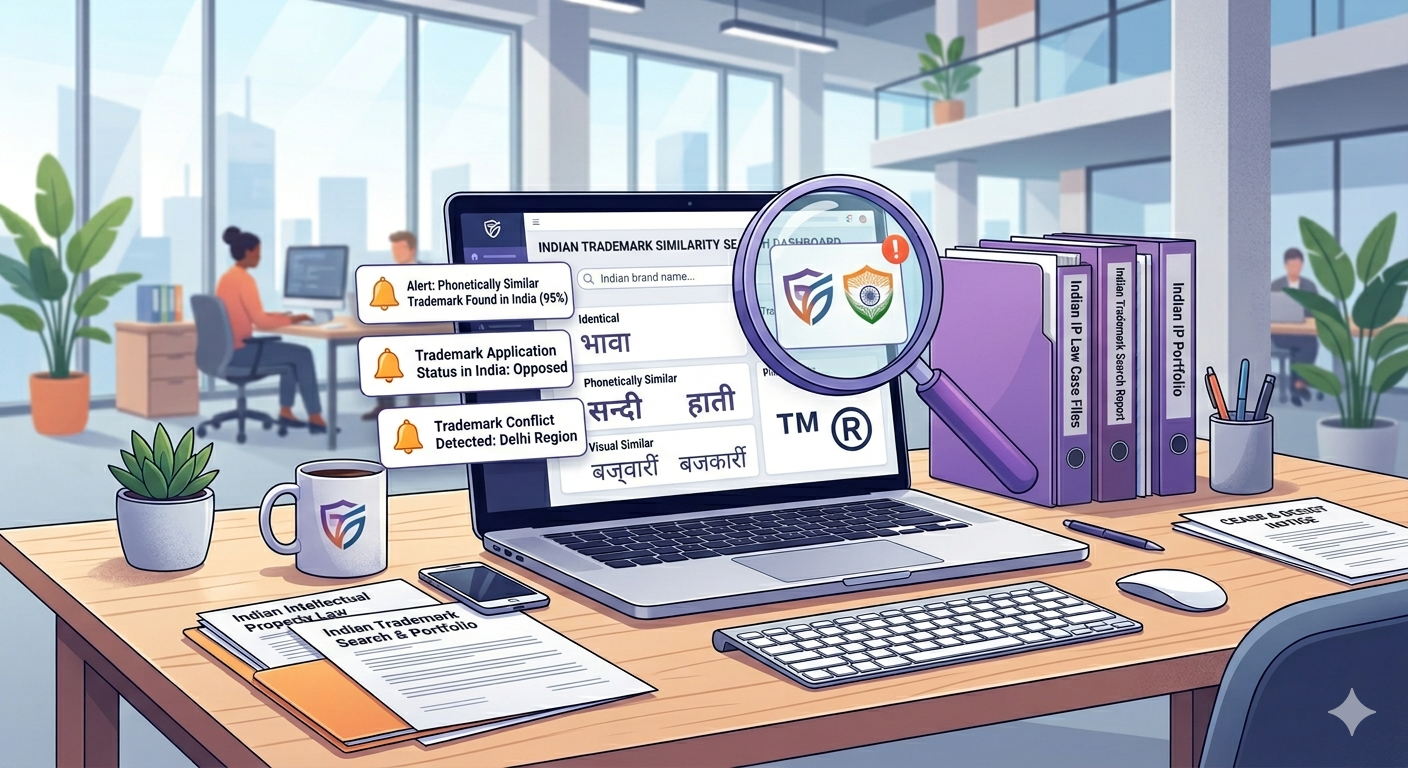
Trademark Similarity Search in India – How to Find Conflicting Trademarks
Trademark registration is one of the most effective ways to protect a brand name, logo, or slogan. However, before filing a trademark application, it is essential to ensure that the proposed trademark does not conflict with existing trademarks. This process is known as trademark similarity search.
Trademark similarity search helps businesses identify trademarks that are identical or confusingly similar to their proposed brand names. Conducting this search reduces the risk of trademark objections and legal disputes. Advanced trademark search tools like TrademarkSearchPro make it easier to analyze trademark databases and identify similar trademarks quickly.
What is Trademark Similarity Search?
Trademark similarity search is the process of identifying trademarks that resemble a proposed trademark in terms of spelling, pronunciation, appearance, or meaning. Trademark examiners consider these similarities when deciding whether a trademark should be registered.
If a new trademark is too similar to an existing trademark, it may create confusion among consumers. As a result, the trademark registry may raise objections or refuse the application.
Why Similarity Search is Important
Similarity search plays a crucial role in the trademark registration process. Many trademark applications are rejected because they resemble previously registered trademarks.
By performing a thorough similarity search before filing a trademark application, businesses can identify potential conflicts and choose a more distinctive brand name.
Types of Trademark Similarity
Trademark similarity can occur in several ways. The most common type is phonetic similarity, where two trademarks sound alike even if they are spelled differently.
Another type is visual similarity. Logos or trademarks that look similar may also create confusion among consumers.
Conceptual similarity is another factor considered by trademark examiners. Two trademarks may convey the same meaning even if they use different words.
Phonetic Similarity in Trademark Examination
Phonetic similarity is one of the most important factors in trademark examination. Words that sound alike may be considered confusingly similar even if their spelling is different.
For example, trademarks such as “FONEX” and “PHONEX” may be considered similar because they sound the same when pronounced.
Professional trademark search software uses phonetic algorithms to detect such similarities quickly.
Visual Similarity in Logos
When trademarks include logos or graphical elements, visual similarity becomes an important factor. Logos that contain similar shapes, symbols, or colors may create confusion in the marketplace.
Logo searches are often conducted using the Vienna Classification system, which categorizes graphical elements used in trademarks.
Conceptual Similarity
Conceptual similarity occurs when two trademarks convey the same meaning or idea. For example, trademarks such as “SUNRISE FOODS” and “MORNING SUN FOODS” may be considered conceptually similar because they represent similar ideas.
Trademark examiners evaluate such similarities carefully when examining trademark applications.
How Trademark Search Software Helps
Manual trademark searches can be time-consuming and may not detect all possible similarities. Professional trademark search software uses advanced algorithms to analyze trademark databases efficiently.
Platforms such as TrademarkSearchPro allow users to perform advanced similarity searches and generate detailed trademark reports.
Benefits for Trademark Professionals
Trademark attorneys, consultants, and intellectual property professionals rely on similarity search tools to conduct trademark clearance searches for their clients.
These tools help professionals identify potential conflicts quickly and provide reliable advice to clients regarding trademark availability.
Trademark Similarity Search for Startups
Startups launching new brands should conduct similarity searches before investing in marketing and branding. Registering a trademark that conflicts with an existing mark may lead to rebranding costs and legal disputes.
Entrepreneurs planning to start new businesses often combine trademark protection with company registration services available through platforms like Indian Company Registration.
Conclusion
Trademark similarity search is an essential step before filing a trademark application in India. Identifying conflicting trademarks early helps businesses avoid objections, disputes, and registration delays.
Professional tools such as TrademarkSearchPro simplify the trademark similarity search process by providing advanced search algorithms and comprehensive trademark analysis.
If you want to conduct accurate trademark searches and protect your brand effectively, start using professional trademark search software today.
.jpeg)
.png)


